

Life's labours lost?
On the paper trail our working lives leave behind. Or don't.

I don’t like work—no man does—but I like what is in the work—the chance to find yourself. Your own reality—for yourself, not for others—what no other man can ever know. They can only see the mere show, and never can tell what it really means.
Joseph Conrad, Heart of Darkness (1899).
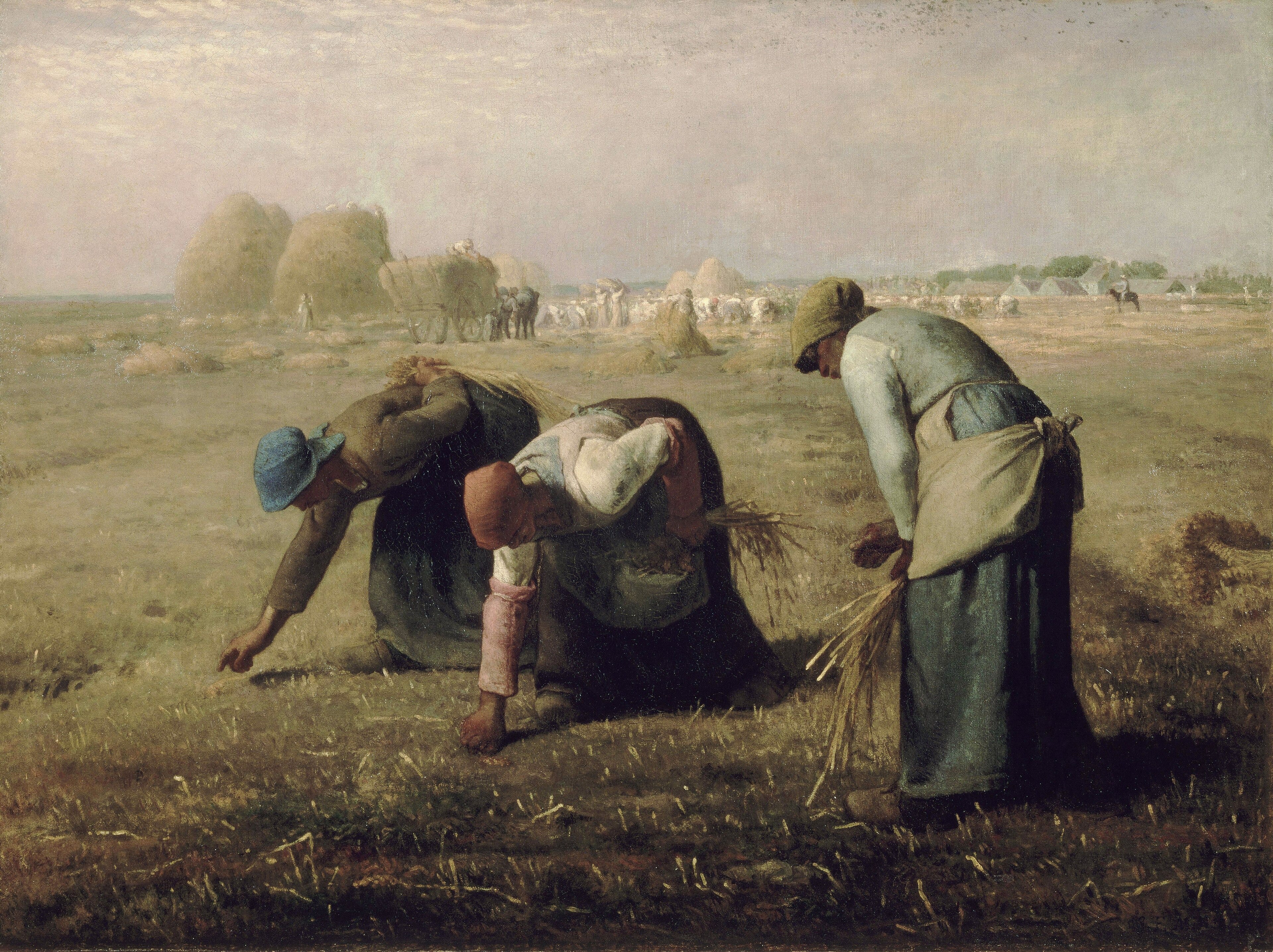
A couple of months ago, on what would have been the 72nd anniversary of my parents’ wedding, I dug out a digital copy of their wedding certificate. I’d kept a copy of the document, having handled some of the paperwork resulting from their deaths in 2020 (my father) and 2022 (my mother).
As I looked at their wedding certificate, this time I paused to look at the entries under the grand headings of “rank or profession”.
My father was listed first, and his “profession” was given as “Herdsman (Farm)”. I wondered why the word “Farm” was added in this way. What other kind of herdman was there than those that worked on farms?
My mother was listed as “Shop Assistant (Grocers”). Again, why the addition of the specific detail of “Grocers”?
The certificate also listed both my grandfathers’ “Rank or profession”. 1 My father’s father was listed as “Garage Proprietor” (he had a small petrol/gas station), and my mother’s father was listed as “Roofing Specialist”, a phrase I doubt he’d ever used. He was, for us, a roofer or builder or labourer. I don’t know who chose these terms, but what struck me here was how the language used seemed designed to give their occupations greater “respectability”. 2
Things were simpler on my birth certificate. Only my father’s occupation is noted, and there he is simply a “Farmer”. In his case, it’s a good summary. It’s all he ever wanted to be.
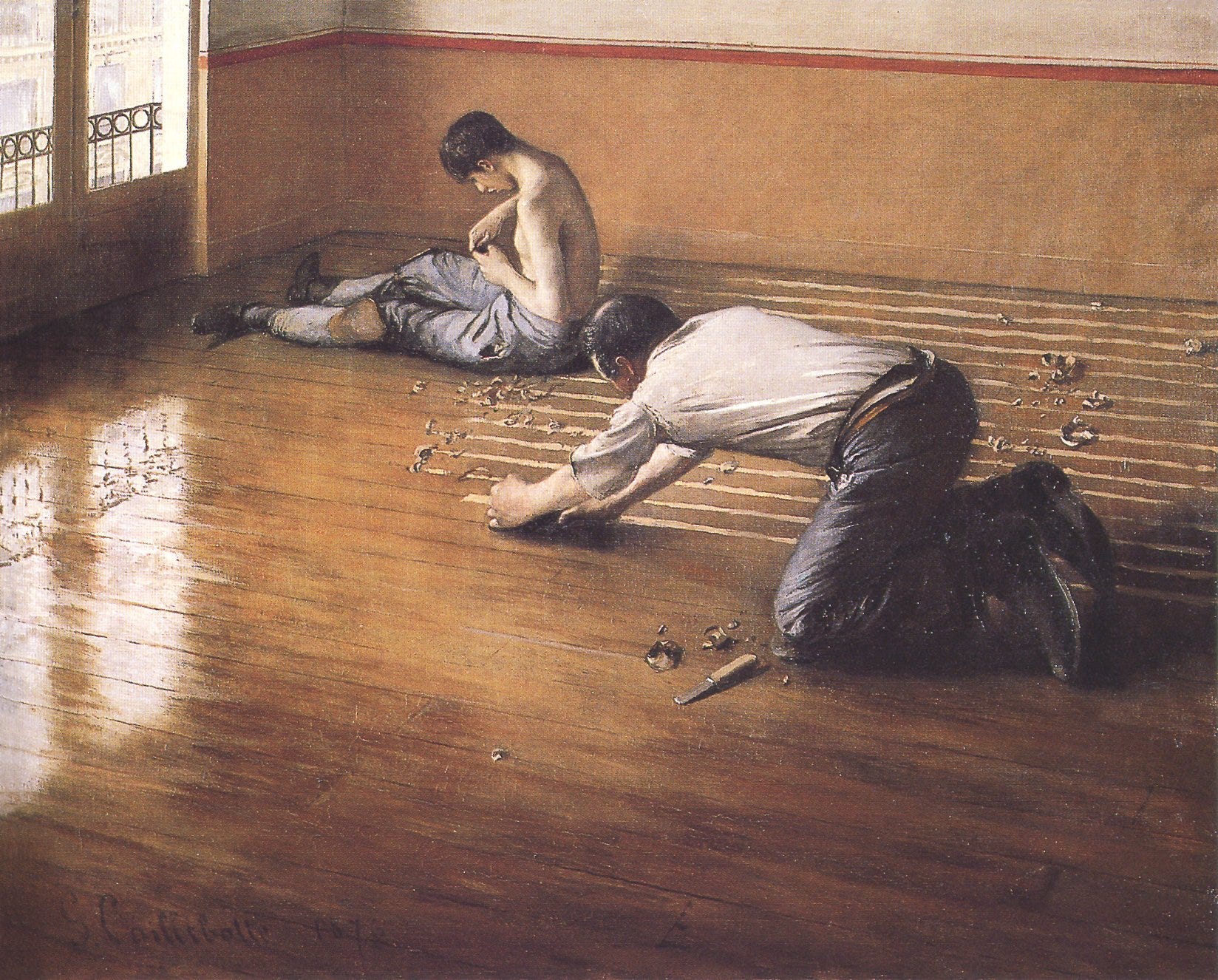
At birth, marriage and death – these seem to be the main times that occupations are officially recorded on certificates in England. It’s an odd paper trail, and noting just one occupation seems a haphazard way for our lives to be captured in the historical record. It can leave out a large part of our working lives (and, of course, lots more besides).
Reading these documents again also made me think how the work we do can often evade the terms we invent for them. We are bureaucratically preoccupied with and sometimes emotionally invested in certain job titles, but can our rough, administrative and fussy nomenclatures really capture the variety of jobs that we do?
*
The other day in the heat of the late spring sunshine, I was standing at a level crossing (railroad crossing) on my local railway line here in Tokyo, waiting for the train to pass, when I noticed a man with a clipboard gazing at a small black device in his hand and noting down some numbers into a table. I quietly edged closer so that I could see what he was doing.
It turned out he was measuring the sound of the level crossing’s warning signal – somewhere between a bleep and an alarm – and was writing down the decibels in his report. He must have been doing this at every level crossing on the line. Perhaps once he got to the end of the line, he’d go back to the beginning and start again.
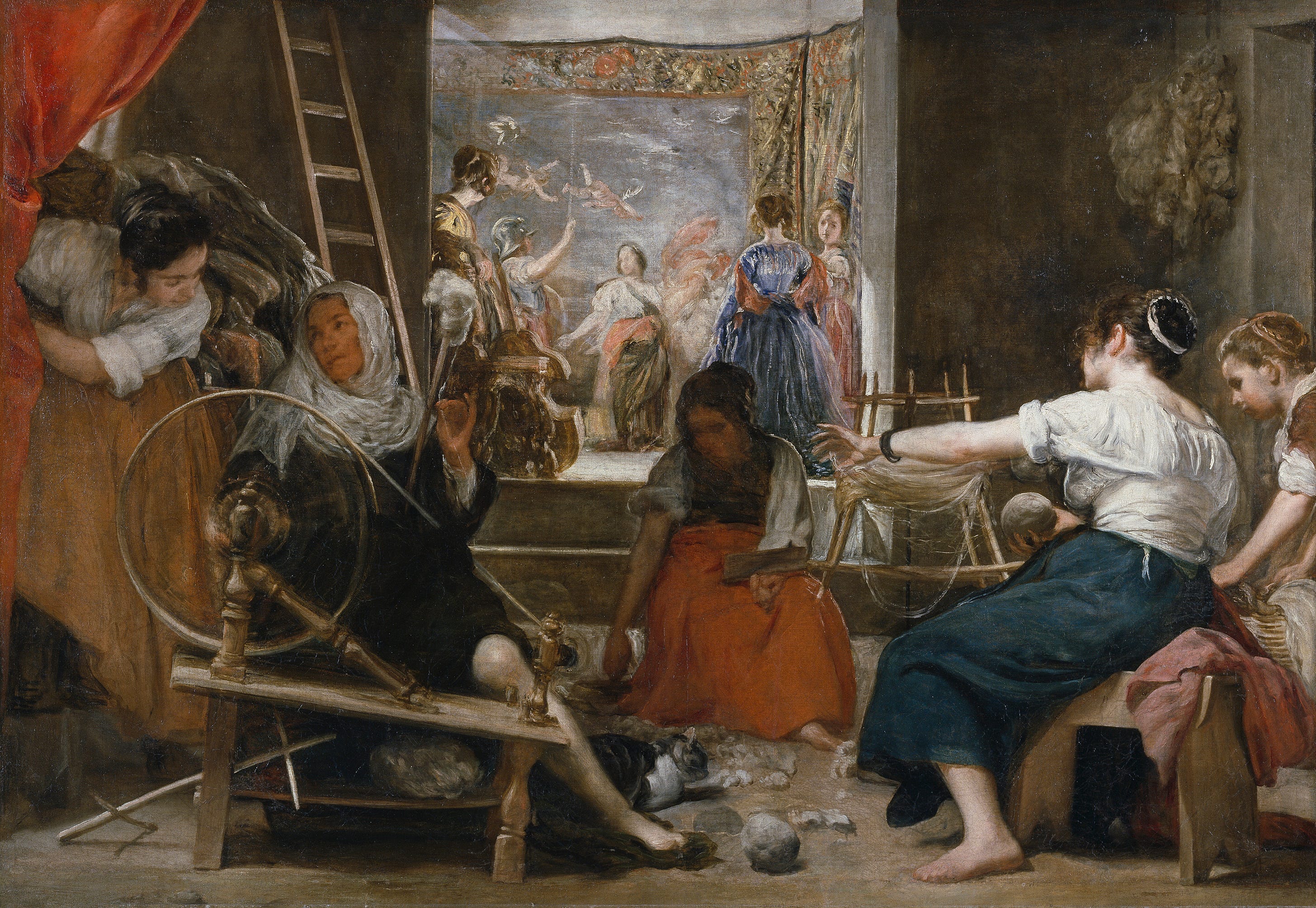
Was this the only job he did? It was invaluable, potentially life-saving work which I didn’t know existed and couldn’t describe concisely. I don’t know if the railway company took people on as “level-crossing sound-level monitors” or as technicians who would then be assigned specialities.
I doubt if anyone listed such a job as their chosen profession as a child – though I’m tempted to list it now. And I’m curious about how he describes to family and friends what he does.
*
The existence of highly specialised or focused specialist jobs that carry out invaluable tasks almost out of our general awareness is nothing new. I recently came across this list describing common jobs in mediaeval Europe. It moves from some familiar ones – including roofer, farmer, and locksmith – to some less obvious ones, e.g., trumpet player, birdcatcher, and pewterer.
And this fascinating essay by historian Tom Johnson challenges the very definition of what work or occupation is. It seems that in early modern England, a lot of paid work was actually done while carrying out another paid or unpaid job and has escaped notice:
Spinning was women’s labour, and women were doing it constantly: in street doorways, while chatting to their neighbours, in the back rooms of their houses while they watched over their infants and kept cauldrons of ale from boiling over. Low-status and badly paid, spinning was so ubiquitous it was simply called ‘work’; the distaff was a symbol of womanhood…
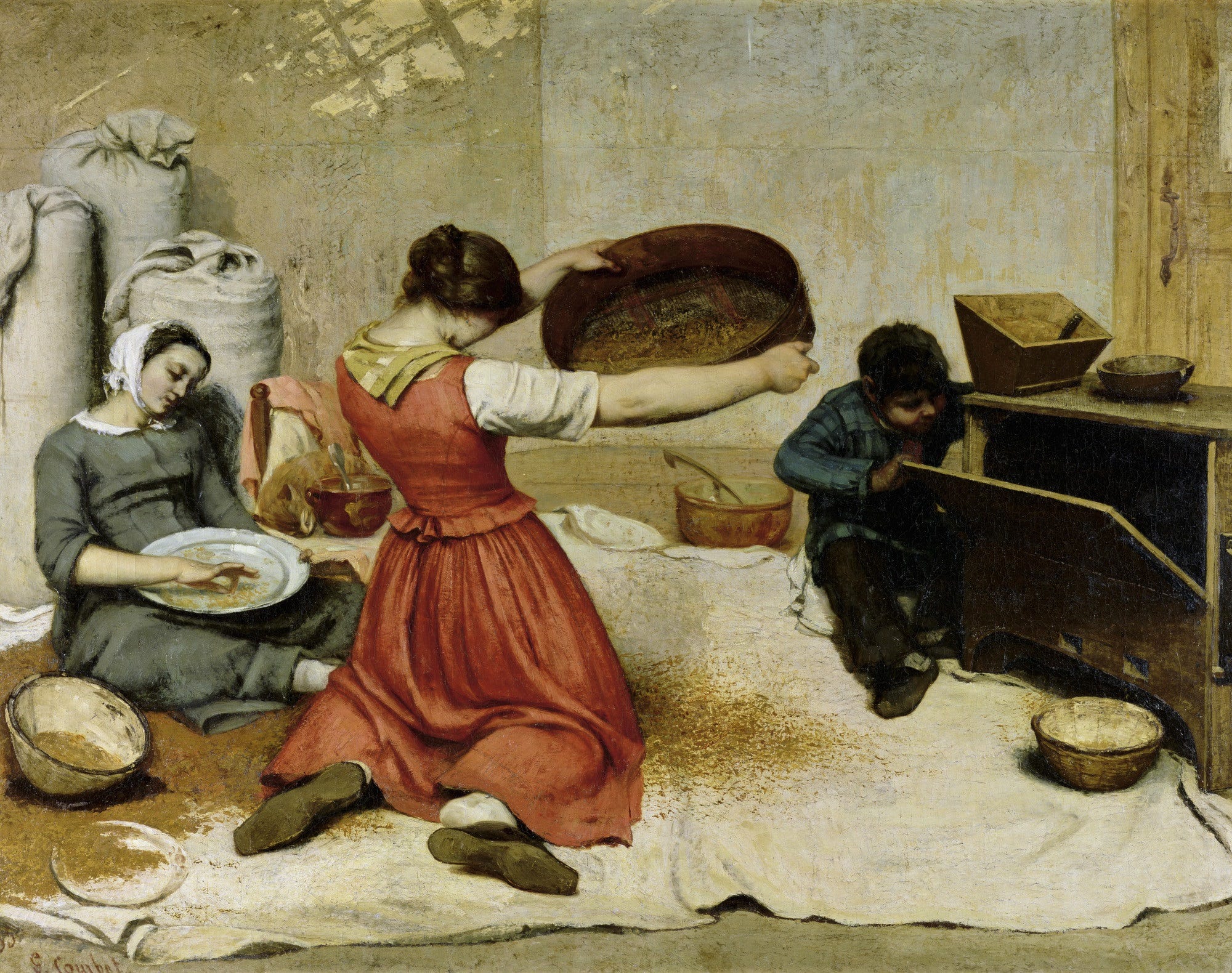
The essay is a review of a book reevaluating The Experience of Work in Early Modern England, 3 and the results of the author’s research are startling:
While women certainly undertook vastly more of the recorded tasks for housework (85.8 per cent) and care work (82.9 per cent), these two categories of labour took up less than 40 per cent of the total time they spent working. They were more often engaged in agricultural work – especially milking cows but also other forms of animal husbandry, along with weeding, sowing and harvesting crops – than they were in care work; they were more often engaged in crafts and construction (7.7 per cent) than they were in food processing (3.9 per cent).
It is clear that economic historians have vastly overestimated the amount of time that women spent on domestic labour. This is not because men were doing it: their contributions to care work and housework made up just 6.5 per cent of their total work time. But there was not so much domestic work to do as previously assumed, and women combined what there was with other forms of labour – all that spinning – both inside and outside the household.
*
My mother, though, had a very different experience from that described above. She was a city girl who loyally moved to the countryside in the 1960s with my father when he bought his first smallholding in the depths of Devon. For her, it was always a slightly alien world. And with six young sons to look after and no neighbours or relatives nearby, I think that for years she spent most of her time on care work or domestic work.
Yet she also pitched in on the farm when she could or had to – for example, helping to rear lambs or calves. And in later life, as her sons grew up, she did voluntary work (adult literacy, the Samaritans, and charity shops). At other times she also worked in the kitchen of my brothers’ hotel and cleaned the holiday flats she and my father owned for a few years.
And yet when she died and I was asked by the friendly registrar in the local government office what occupation to put on her death certificate, I was momentarily perplexed. I hadn’t seen this question coming, and to me, my mother was, well, my mother.
My slightly flustered decision to enter “Homemaker” was both hopelessly inadequate and completely right.
It was wrong, because she had done so many things; how could I sum them up in a word?
Yet she made a home for her husband and six sons, and I knew she was always proud of that. She always said that was what she wanted to do with her life; for her, it wasn’t a job to be done – it was a role she wanted to perform.
*
In my previous work with the British Council, when giving speeches or commencement addresses, I used to use the following kind of statement, possibly borrowed from an OECD or WEF report: “Some studies suggest that 65% of children currently entering primary school will have jobs that do not yet exist and for which their education will fail to prepare them, exacerbating skills gaps and unemployment in the future.”
It paints a world of rapid change and of a dizzying array of jobs we barely have words for. It certainly complicates the picture for parents and educators preparing their young charges for the future.
But perhaps a world of a certain number of fixed professions that we can train or apprentice for has always been a fantasy. I suspect the world has always been more complex and messier than that.
Even my job title at the time of making those speeches – the faintly ludicrous “Country (or City) Director” – was vague to the point of meaninglessness. I was, among other things, a cultural diplomat, a bureaucrat, an office leader, some kind of consultant and a (rather indifferent) project director.
Following retirement, I created my new occupation online. I changed my LinkedIn profile and took some training in editing and writing copy. I now write and edit for a living. 4
And before I started work for the British Council, I was, at different times, engaged in selling ice cream, looking after pigs, running a hostel, house painting, dishwashing, ghostwriting…
*
I’m still on the mailing list of the association of former British Council staff, and via that list I occasionally receive the news of the death of a former colleague.
I feel sad to see these notices appear in my inbox, with the deceased’s various roles in the organisation carefully recorded. This catalogue of a former colleague’s working experience takes me back to my experience after my mother died, and I start to wonder: When my time comes, who will decide what will be written on my death certificate?
And, whoever it turns out to be, what will they decide to write? 5
These days, the form simply asks for the deceased’s “Occupation”.
We tend to see this kind of job title inflation (e.g., “Loss prevention officer” for “Security guard” as a recent trend, but it seems to have been at work in the 1950s too.
By Jane Whittle, Mark Hailwood, Hannah Robb and Taylor Aucoin. 2025,
Cambridge.
By this, I mean paid work outside Substack.
Unless I die here in Japan, where the system is different and my occupation will not be recorded in this way!
Love the Caillebotte! Thank you for the link. As I said on the re-stack this was right up my Street(er) - sorry! My great grandfather was variously a miner, a higgler and a publican. Higgler I had to look up - it means a rural door to seller of bits and bobs often bartered for farm produce which was then in turn sold. How the world changes and how we must learn to change with it. Fascinating and thoughtful as always Jeffrey.
Jeffrey, I was delighted to find the Caillebotte here, a favorite of mine and apt choice for this eye-opening piece. (I ran out of synonyms for “surprising” many posts ago, thanks to your gift for surprising your readers.)
As new jobs appear, familiar ones vanish. When our son was a kid earning marks from so-so to barely passing, we would warn, “At this rate you’ll end up pumping gas for a living.” I don’t know about Japan, but here in North America it’s been eons since you could get paid to pump gas.