

Snow
The recent rare heavy snowfall in Tokyo made me reflect on the impact snow has had on my life. And on some of the books I've read.

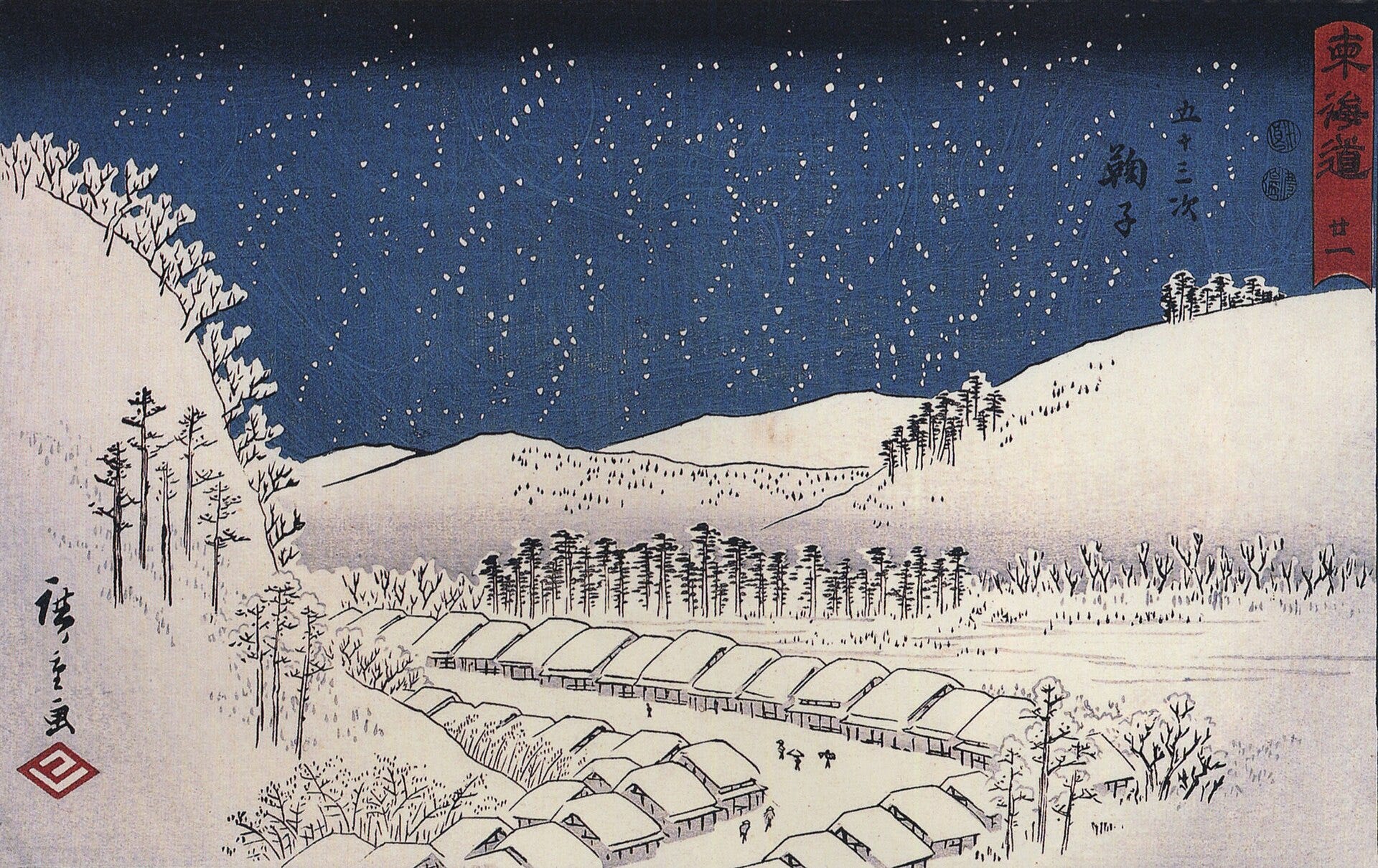
If one of the most famous endings in literature in English is Joyce’s much-quoted ending about falling snow in his story The Dead (1914), then one of the most celebrated openings in Japanese literature is the atmospheric beginning of Snow Country, the 1948 novel by Yasunari Kawabata:1
The train came out of the long tunnel on the border and there was the snow country. The earth lay still under the night sky.
And recently I also noticed that Kawabata also mentioned snow and tunnels in his later novel Rainbow (1950), recently translated into English (2023).
*
I didn’t grow up in snow country. But I recall being “snowed in” a few times growing up on a farm in Devon. The local country lanes were the last to be cleared, if ever, by the few snow ploughs in operation in that county.
For us as children, snow meant huge drifts to play in, snow holes to dig and crawl into like luminescent caves, or snowball fights when sometimes things got out of hand and would vindicate one of my mother’s cherished pessimistic predictions: “It’ll end in tears."
But snow also meant a slippery farmyard in which to work and cold, chapped hands and feet as we completed our chores. On the farm, every childhood joy had an adult corollary of work.
*
In her beautiful poem White-Eyes, Mary Oliver conjures in the haunting final lines,
the feathers
of some unimaginable bird
that loves us,
that is asleep now, and silent—
that has turned itself
into snow.
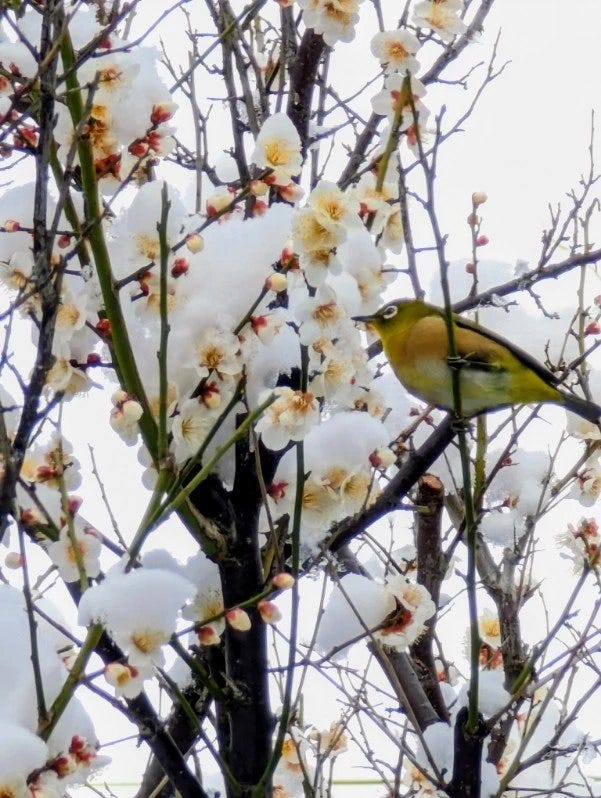
The poet says she doesn’t know what bird it was, and neither do I. But the poem reminds me that one of the joys of a snowy day in Tokyo is the sight of the plum trees, already in blossom, laden with fluffy white snow. And if I’m lucky, I’ll spot a mejiro, a Japanese white-eye, scattering snow as it seeks the now-hidden flowers and their promised goodness.
*
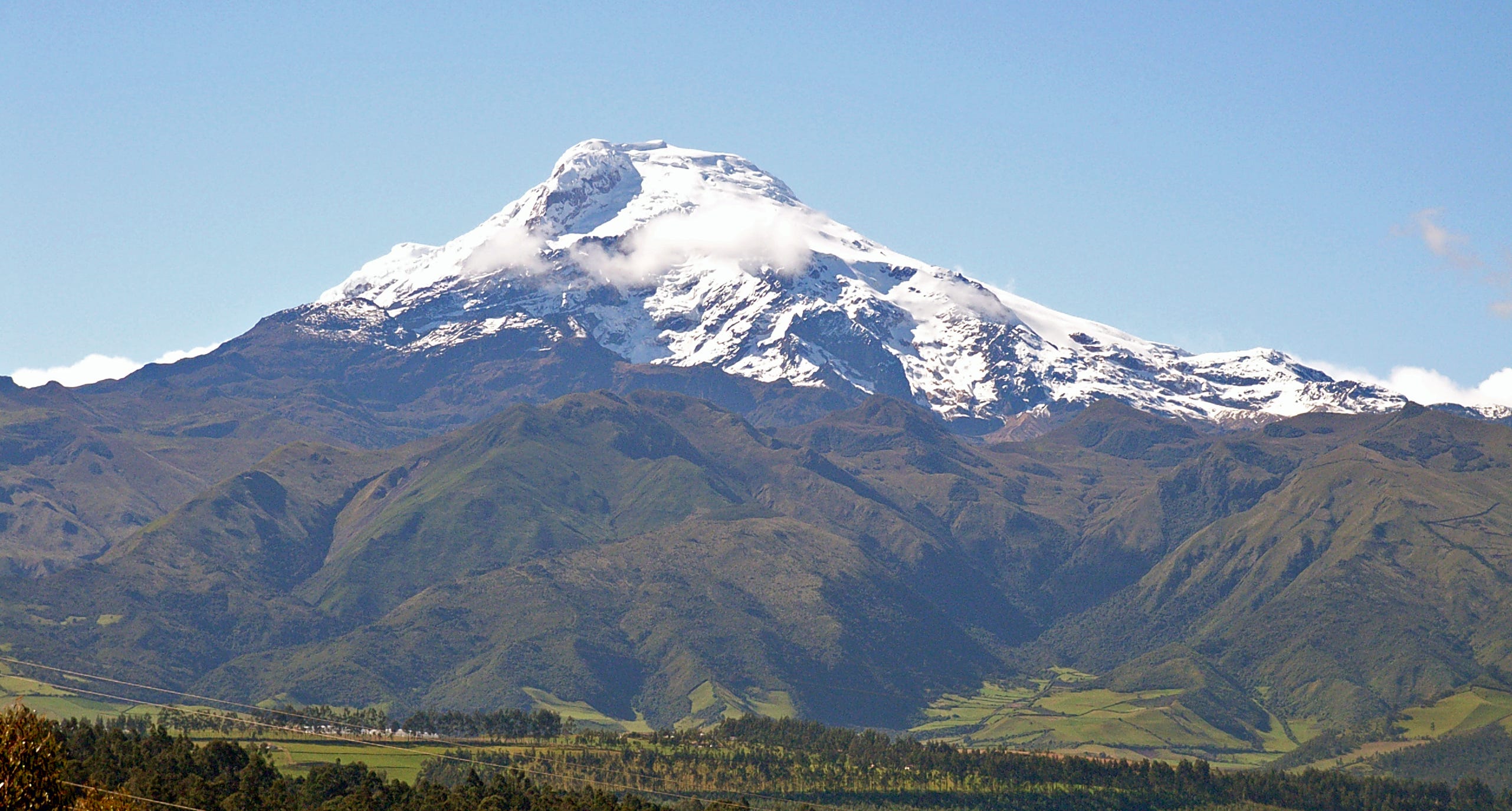
I used to live in Quito, which is on the equator. The city is at about 2,800 metres above sea level, and from my perch in the city, I could admire the volcanoes that proudly displayed their equatorial snow all year round – among them, Cayambe and Antisana, both well over 5,500 metres. I would never tire of the wonder they inspired.
My first taste of snow on mountains, however, was in the Alps on a school exchange. The exchange took place in late spring and early summer. The five or six of us who decided to trek into the mountains weren’t prepared for the snow we found at that time of year.
The dazzling white of the snow made us giddy with excitement, though that quickly turned to something like panic when the weather changed in an instant and we were surrounded by clouds. Fortunately, the weather cleared in time for us to get down the mountain before any search parties needed to be organised.
*
The snowiest city I have lived in was Ankara, high up on the Anatolian plateau in Turkey. One winter, I awoke to over half a metre of snow on the balcony, an improbable quantity of snow in a city that was warm and mostly dry for much of the year. The winter’s snowfall, as I recall, was crucial for the reservoirs and for local agriculture.
It was in Ankara that I read Orhan Pamuk’s beautiful novel, Kars (2002). Kars is the name of a city in northeastern Turkey. But “kar” is also the Turkish word for “snow”.
In the novel, one of my favourites by Pamuk, snow takes on a kind of moral force:
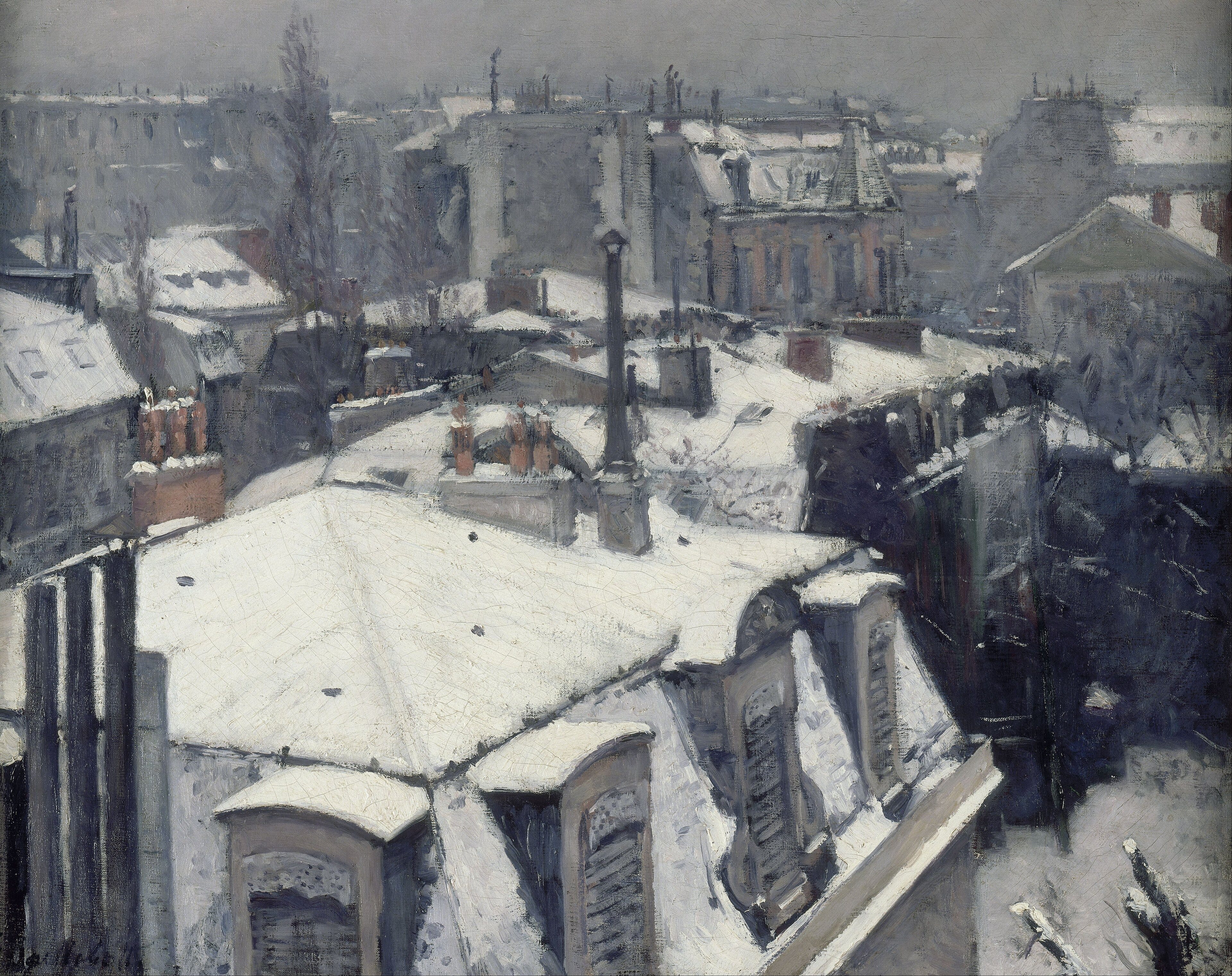
But my best memories of snow in Turkey – perhaps from anywhere – come from the day I saw soft snowflakes begin to fall over the beautiful mosques and courtyards of Istanbul, just as night fell one winter evening. The mixing of the natural beauty of the ice crystals and the equally exquisite Ottoman architecture certainly created one of the most beguiling sights of my life.
It was as if the snowflakes, with their infinite and unique structures, fell like eager worshippers finally reaching a place of pilgrimage upon the beautifully crafted tiles of blue and white.
They were, it seemed to me, like a billion crystal kisses laid on the cool, inviting skin of the city.
The translation given here is Edward G. Seidensticker's version (2011).
Jeffrey, this is a gorgeous homage to snow. I love your mother's "It'll end in tears." (I might have to steal that for a poem, with credit, of course.) I sat with the image at the top of your post for a bit; my, it's so beautiful. And the quotations from the books you've read perfectly complement your words.
This is the kind of post that moves me to go about my day fully in joy and wonder, no matter what is going on outside in the world.
Another lovely essay, Jeffrey. As someone who grew up in a place that takes much of its self-identity from the presence of snow, it is a delight to see it from the nuanced perspective of someone who speaks so eloquently of it through the lenses of literature, culture, geography, and personal history. You continue to regard the world with curiosity, to synthesize brilliantly, to make it new.
Because of the cruelty and horror that my beloved city has endured this winter, I am having a hard time separating tragic events from the landscape of wonder I am so used to seeing. It breaks my heart to think of the violence visited on my home by the appropriately-named ICE. Reading your words has brought me back to the pristine stillness of a time I hope will not become only memory.